
The Allure of the Casino Environment
The casino environment is meticulously designed to evoke a range of psychological responses that encourage gambling. Bright lights, vibrant colors, and captivating sounds create a sensory overload that can heighten excitement and anticipation. This atmosphere is intentionally crafted to make players feel engaged and immersed, often leading them to lose track of time and money. The combination of visual and auditory stimuli can trigger a rush of adrenaline that many gamblers find addictive. To enhance their experience, players often look for no id verification casinos which allow for easier access to games without the extensive verification processes.

Moreover, the layout of casinos promotes exploration and discovery. Slot machines and gaming tables are strategically placed to entice players to wander throughout the space. This design encourages social interaction, as gamblers often gather around high-stakes games, fostering a sense of camaraderie and competition. This social dimension further enhances the gambling experience, making it more enjoyable and often leading individuals to gamble more than they originally intended.
The Role of Cognitive Biases in Gambling
Cognitive biases play a significant role in shaping gambling behaviors. Many gamblers fall victim to the «gambler’s fallacy,» the belief that past outcomes can influence future results. For instance, someone may think that after a series of losses, a win is due. This misconception can lead to chasing losses and betting more, as players feel an irrational hope that their luck will change. Such biases distort decision-making and can lead gamblers to misinterpret their chances of winning.
Additionally, the concept of «near misses» can have a powerful psychological effect. When players come close to winning—such as hitting two out of three symbols on a slot machine—they can experience a sense of elation that encourages them to keep playing. This phenomenon reinforces the behavior, as the brain releases dopamine, making near misses feel rewarding. Gamblers may perceive these moments as a sign that they are on the verge of success, perpetuating their gambling habits.
The Impact of Emotion on Gambling Decisions
Emotions significantly influence gambling choices and behaviors. For some individuals, gambling serves as a form of escapism from stress or anxiety. When faced with challenging life situations, the thrill of gambling can provide a temporary distraction, leading people to engage in riskier betting as a coping mechanism. This emotional connection to gambling can create a cycle of dependence, where individuals turn to casinos for relief from negative feelings, only to encounter further stress from potential losses.
Conversely, positive emotions can also drive gambling behavior. The excitement of a win can create a high that encourages players to continue gambling, reinforcing the belief that they can replicate their success. This emotional rollercoaster, fueled by wins and losses, can lead to erratic gambling patterns as individuals oscillate between euphoria and despair. Understanding the emotional motivations behind gambling habits is crucial for addressing problem gambling and promoting healthier behaviors.
Social Influences on Gambling Behavior
Social dynamics significantly shape gambling habits at casinos. The presence of peers can amplify the desire to gamble, as people often feel more inclined to participate in activities that involve others. When friends or family are involved, the social pressure to join in can override rational decision-making, leading individuals to gamble more than they might on their own. The social aspect of gambling can create a sense of belonging, where individuals feel part of a group and enjoy the communal experience.
Furthermore, the portrayal of gambling in media and culture can influence public perception and participation. Movies, television shows, and advertisements often glamorize gambling, presenting it as a thrilling and rewarding pastime. This representation can shape people’s attitudes toward gambling, making it seem more appealing and socially acceptable. As a result, individuals may be more likely to adopt gambling habits, believing that they, too, can achieve the same level of success and excitement depicted in the media.
Enhancing Your Gambling Experience Responsibly
For those looking to enjoy casino experiences in a more balanced manner, understanding the psychological factors at play is essential. It is important to approach gambling with a clear mindset and set limits on time and money spent at casinos. By recognizing the influences of emotional states, cognitive biases, and social pressures, players can make more informed choices and reduce the risk of developing harmful habits.
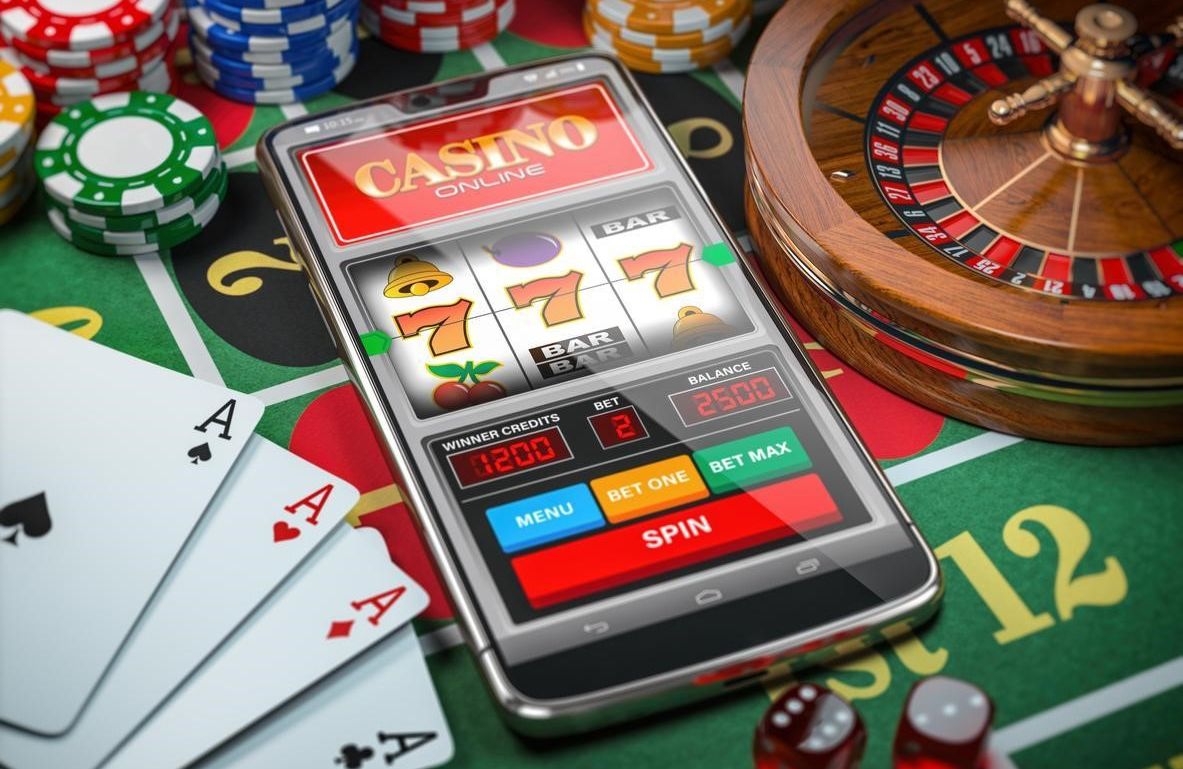
As online gambling continues to rise in popularity, exploring venues that promote responsible gaming practices becomes increasingly important. Many casinos offer resources and tools to help players manage their gambling experiences, ensuring that enjoyment remains the primary focus. Engaging in a responsible manner allows individuals to appreciate the thrill of gambling while maintaining control over their actions and decisions.